

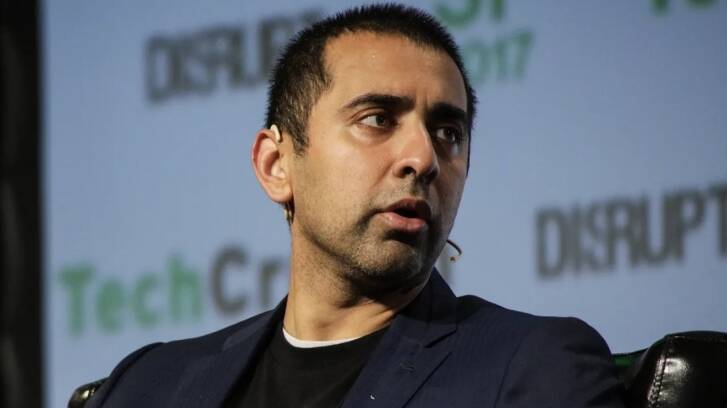
Tech investor and former Coinbase chief technology officer Balaji Srinivasan is urging the cryptocurrency industry to develop financial tools specifically for refugees and stateless people as global conflicts and economic disruptions increase.
In a recent post on social media, Srinivasan highlighted the limitations of traditional banking and payment systems for displaced populations, many of whom lose access to their accounts and financial identities during crises.
He said,
“We should build more crypto tools for refugees and stateless people. Because there may unfortunately be many more refugees and stateless people…and from all social classes. Ukrainians leaving the war. Californians leaving the state. Gulf workers leaving the missiles.”
He argued that public blockchain networks and stablecoins—digital assets designed to maintain steady value — could provide an alternative way to store and transfer money when conventional infrastructure fails.
Srinivasan emphasized that these tools do not necessarily require major redesigns for crises, noting, “Doesn’t necessarily mean huge design changes. If you build convenient consumer tools for millions that work in peacetime, then they’ll often be robust enough to work in wartime.”
Rising Global Displacement Highlights Need for Alternatives
Srinivasan explained the resilience of decentralized systems, writing, “Because crypto is wartime mode, but for the Internet. Public blockchains were created to resist datacenter attacks, hacks, and network blocks.” He said this makes crypto tools uniquely positioned to help people who are forced to flee their homes and lose access to banks, credit histories, or government IDs.
He also stressed the importance of scalable, reliable tools, adding,
“It’s simply enlightened self-interest to build scalable, reliable tools. For example: Signal works for poor people in poor countries in poor conditions, so it’ll likely work for you.”
He pointed to stablecoins as already reaching this level of utility, noting, “Stablecoins are actually getting to this level of ubiquity in crypto, and already making a real dent globally, including the new gold-backed varieties. But we can do more.”
The comments come amid rising global displacement, with wars, political instability, and economic pressures pushing millions of people to relocate, often leaving them without reliable access to money or payments. Srinivasan framed the development of cross‑border blockchain payment tools as not just a market opportunity but as a humanitarian imperative, emphasizing the growing demand for digital assets that can move value across borders.


