
KEY TAKEAWAYS
- Yes, you can use a gift card to buy cryptocurrency through peer-to-peer (P2P) marketplaces like Paxful, Noones, and CoinCola.
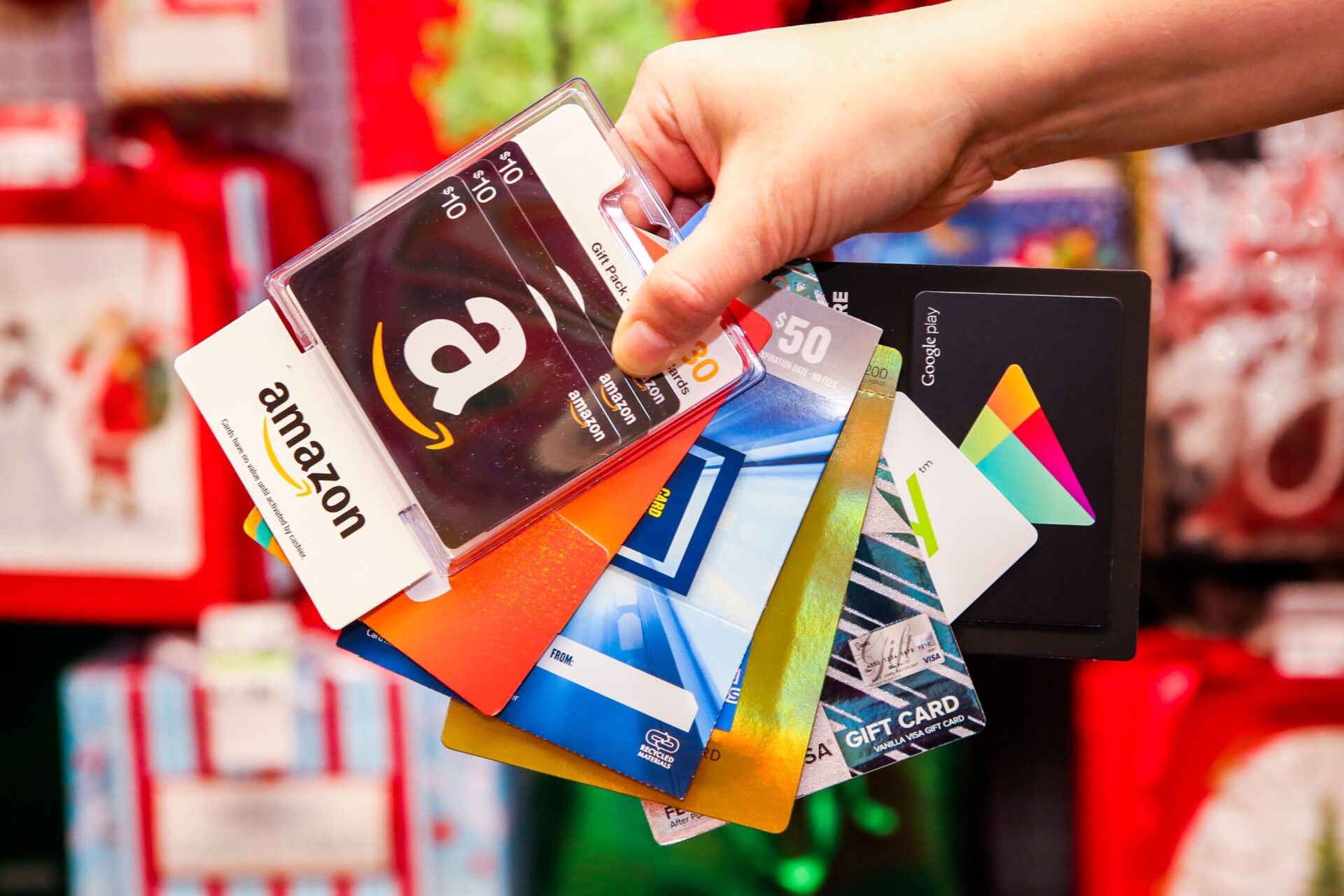
- Popular gift cards accepted include Amazon, iTunes, Google Play, Steam, Vanilla Visa, and retail-branded prepaid cards.
- Expect to receive less than face value due to seller premiums ranging from 10% to 40%, depending on card type and demand.
- Escrow systems protect both buyers and sellers, but scams remain a risk on unverified platforms.
- Crypto voucher platforms like CoinsBee and Crypto Voucher offer a simpler alternative for converting gift card value into digital assets.
Gift cards are sitting in wallets and desk drawers everywhere, and a growing number of crypto buyers are discovering they can convert that unused balance into Bitcoin, Ethereum, and other digital assets. The process is not as straightforward as swiping a Visa at Coinbase, but it works, and millions of transactions have already been completed this way across peer-to-peer platforms.
With the global crypto market cap hovering near $2.44 trillion according to CoinGecko, and retail participation rising alongside institutional inflows, gift-card-to-crypto conversion has become a legitimate onramp for users who lack traditional bank access or simply want to use what they already have.
How Buying Crypto With a Gift Card Works
The most viable route is through peer-to-peer (P2P) crypto marketplaces. Platforms like Paxful (paxful.com) support over 450 payment methods, including dozens of gift card brands. The process follows a simple pattern: you find a seller willing to accept your specific gift card type, agree on a rate, and the seller’s cryptocurrency is held in escrow until the transaction completes.
CoinCodex notes that P2P marketplaces remain the only viable way to buy Bitcoin directly with a gift card, since centralized exchanges like Coinbase and Binance do not accept gift cards as a funding method. The platforms that do facilitate these trades include Paxful, CoinCola, Noones, and BitValve, each operating escrow-protected environments where both parties are held accountable.
Here is how a typical transaction works on Paxful:
- Step 1: Create and verify your account to receive a free Bitcoin wallet with two-factor authentication.
- Step 2: Browse offers filtered by gift card type (Amazon, iTunes, Google Play, Steam, Vanilla Visa, etc.) and compare exchange rates from different sellers.
- Step 3: Click “Buy Now” to open a live chat with the seller. The seller’s BTC is locked in escrow at this point.
- Step 4: Follow the seller’s instructions, which may include providing a photo of the physical card, the receipt, or a screenshot of the balance. Mark the transaction as “Paid” once you’ve transferred the gift card details.
- Step 5: The seller verifies the card and releases the BTC from escrow into your wallet.
Which Gift Cards Can You Use?
Not all gift cards carry the same demand or exchange rate in the P2P market. Paxful supports over 124 gift card options, but the most liquid and widely accepted brands include Amazon, iTunes and Apple, Google Play, Steam Wallet, Vanilla Visa and Mastercard prepaid cards, eBay, Walmart, and Target.
Retail prepaid Visa and Mastercard cards tend to get better rates because sellers can use them more flexibly, while store-specific cards like Steam or Google Play may carry higher premiums due to more limited utility.
Sellers on P2P platforms typically prefer physically purchased gift cards and may ask for proof of purchase. This is a fraud prevention measure, since stolen or already-redeemed cards are a common source of disputes.
The Premium Problem: What You Actually Get
This is where expectations need adjustment. Buying crypto with a gift card is not a 1:1 exchange. CoinCodex describes gift cards as being among the worst ways to buy Bitcoin in terms of value received, because sellers charge a premium that can range from 10% to 40% above the market rate, depending on the card type, demand, and the platform.
A $100 Amazon gift card might only get you $60 to $80 worth of Bitcoin. The discount exists because gift cards carry inherent risk for the buyer on the other side: they might be fraudulent, partially redeemed, or region-locked. That risk gets priced in.
For anyone sitting on unwanted gift cards with no better use for them, the conversion still makes sense. The alternative is often letting the balance go unused entirely.
The Crypto Voucher Alternative
If P2P trading feels too complex, crypto voucher platforms offer a cleaner path. Crypto Voucher (cryptovoucher.io) sells prepaid codes that can be redeemed for Bitcoin, Ethereum, USDC, Litecoin, Dogecoin, Solana, and others. You purchase a voucher using standard payment methods, receive a code, and redeem it on the platform for crypto sent directly to your wallet.
CoinsBee (coinsbee.com) works in the opposite direction as well, allowing users to buy gift cards from over 5,000 brands in 185 countries using more than 200 different cryptocurrencies. This creates a two-way bridge: gift cards into crypto, and crypto back into gift cards for everyday spending.
Bitrefill (bitrefill.com) operates a similar model, supporting Bitcoin, Lightning, Ethereum, USDC, USDT, and several other payment options across 170 countries.
Safety Considerations
The gift-card-to-crypto market carries specific risks that buyers should understand before transacting. On P2P platforms, always use the escrow system and never communicate outside the platform. Paxful records all messages in the live chat, which protects you in disputes. Never release gift card codes before confirming the seller has locked their crypto in escrow.
Verify the seller’s trade history and reputation score before committing. Platforms like Paxful display completed trade counts and feedback ratings. Stick to sellers with hundreds of completed trades and positive reviews. Redeem any received gift card codes immediately to verify they work before releasing crypto from escrow.
KYC requirements also apply. Most platforms now require identity verification for larger transactions to comply with anti-money laundering regulations. Crypto Voucher notes that while small redemptions may not require verification, larger or frequent usage triggers KYC processes.
Should You Buy Crypto With a Gift Card?
It depends on your situation. If you have unused gift cards collecting dust and you want exposure to crypto, converting them through a reputable P2P platform is a practical move. The premium you pay is the cost of convenience and the fact that gift cards are a non-standard payment method.
If you are buying gift cards specifically to convert them into crypto, stop. You are adding an unnecessary step and losing 10% to 40% in the process. Use a bank transfer, debit card, or standard exchange instead. The gift card route makes sense only when you already hold the card and have no better use for it.
FAQs
Can I buy Bitcoin directly on Coinbase with a gift card?
No. Major centralized exchanges like Coinbase, Binance, and Kraken do not accept gift cards as a payment method. You need to use a P2P marketplace like Paxful or Noones for gift cards to crypto trades.
Which gift card gets the best exchange rate for crypto?
Vanilla Visa and Mastercard prepaid cards typically receive better rates than store-specific cards because they offer broader spending utility for the seller. Amazon cards are also highly liquid due to universal demand.
Is it safe to buy crypto with gift cards?
It is safe when using escrow-protected platforms with verified sellers. The risk increases significantly on unverified or off-platform trades. Always check seller ratings, use the in-platform chat, and never share gift card details before escrow is active.
Can I buy crypto other than Bitcoin with a gift card?
Yes. Platforms like Paxful also support Ethereum and USDT trades via gift cards. Crypto voucher services like CoinsBee and Crypto Voucher offer redemption into dozens of cryptocurrencies, including Solana, Litecoin, Dogecoin, and more.