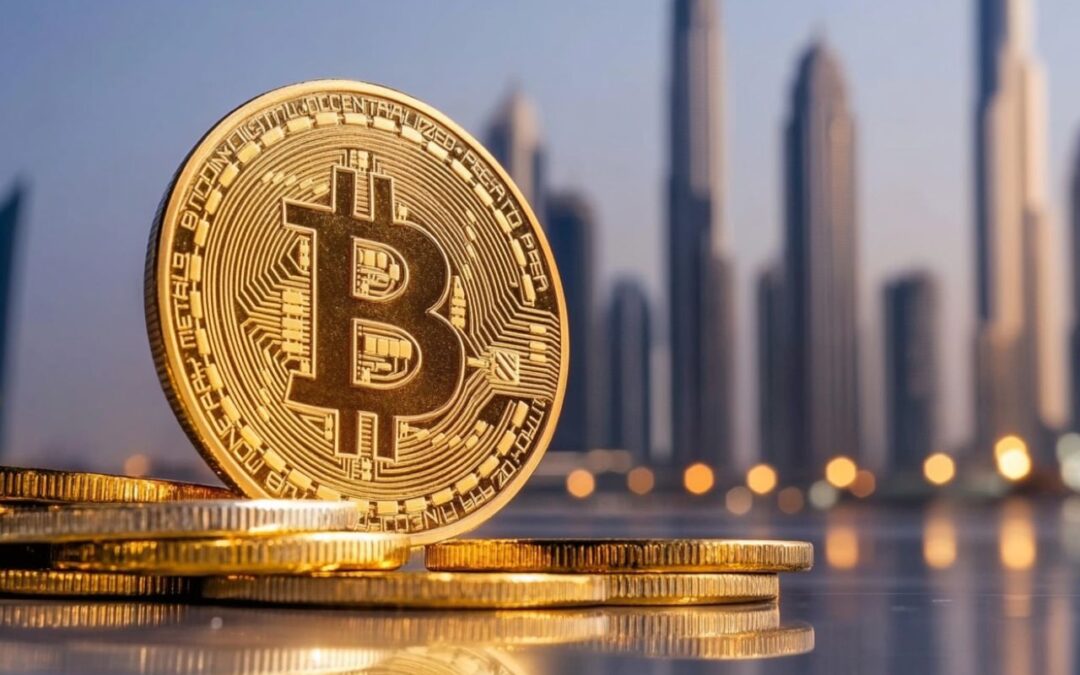
The ongoing U.S.-Israeli war on Iran is testing Dubai’s status as the crypto industry’s premier business destination, with major conferences postponed and organizers citing security and travel concerns. Token2049, one of the world’s largest crypto conferences, has moved its Dubai event to April 21–22, 2027, after initially confirming the 2026 edition would proceed as planned.
Organizers said the decision was driven by “ongoing uncertainty in the region and its impact on safety, international travel and logistics.”
The disruption extends beyond crypto. Informa postponed Middle East Energy 2026 from April to September, and the Bahrain and Saudi Arabian Formula 1 Grands Prix have also been canceled, affecting multimillion-dollar sponsorship deals with exchanges including OKX, Crypto.com, and Bybit.
Blockchain Industry Shows Resilience Despite Disruptions
Despite the event cancellations, the blockchain sector’s virtual-first infrastructure appears to be cushioning operational impact. Crypto marketing executive Laia Fernández, based in Dubai, told Reuters that daily life in the UAE had not dramatically changed, noting that most crypto companies operate globally with cloud-based infrastructure and trading on virtual marketplaces.
Alex Scott, a crypto executive promoting the Solana blockchain in Dubai, echoed this assessment. He told Reuters the conflict had actually accelerated conversations about financial infrastructure resilience, adding that the fundamentals that made the UAE attractive for crypto and blockchain had not changed.
Capital Flows and Regulatory Functions Hold Steady
Thomas Puech, CEO of crypto trading firm INDIGO, told Reuters there were no signs of capital flows linked to an exodus from the UAE. Bitcoin has edged higher since the strikes began on February 28, reaching $73,949 as of March 18, though it remains down roughly 15% for the year.
Gordon Einstein, founder of CryptoLaw Partners and a Dubai resident, said UAE regulatory functions were running smoothly and that the emirate remained the best choice over Europe and Asia for regulation and access to local capital. However, he acknowledged the situation’s fragility. “Dubai lives off the idea that people want to come here,” Einstein told Reuters. “That’s on hold right now.”
Whether expat entrepreneurs return and how strong the UAE’s crypto scene remains will depend largely on how long the conflict lasts, analysts say, as the region’s carefully cultivated reputation as a business safe haven faces its most significant test.
The UAE’s embrace of the digital asset sector includes dirham-backed stablecoins approved by the central bank, blockchain trading services from local lenders, and on-chain payment options announced for real estate projects, including a Trump Tower under construction in Dubai.