KEY TAKEAWAYS
- NFT communities enhance token demand by enabling direct engagement and shared experiences, thereby building loyalty and attracting new participants.
- Exclusivity in NFTs, such as access to private events and unique incentives, identifies passionate influencers and strengthens community bonds.
- The utility of NFTs, including monetization strategies like subscriptions and transparent transactions, empowers communities to generate real value.
- Economic cycles in NFT ecosystems are propelled by communities acting as ambassadors, expanding reach and sales potential.
- While challenges like volatility exist, the uniqueness of NFTs as one-of-a-kind assets underpins their community-driven influence on demand.
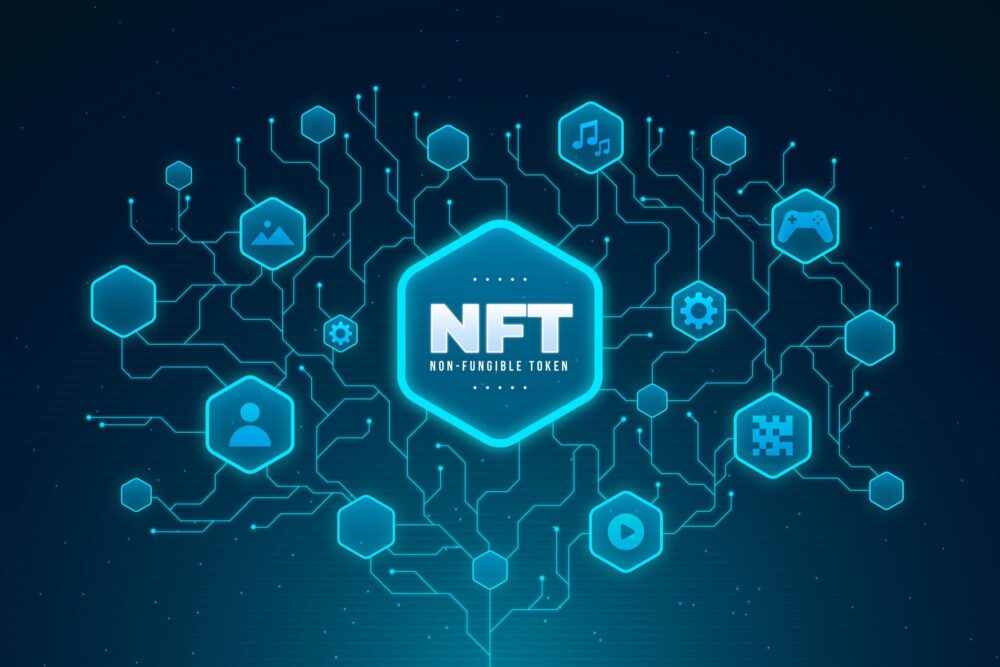
Non-fungible tokens (NFTs) are separate digital assets that have been tokenised using blockchain technology. Each NFT is assigned a unique identifying number that prevents it from being copied, substituted, or divided, thereby establishing its value. These assets, which serve as both drivers of thriving communities and collectors, have completely changed the Bitcoin ecosystem.
Token demand is greatly influenced by NFT communities, which are built around common interests in music, art, gaming, and other digital fields. Token value and market participation are increased by these communities’ self-reinforcing cycles of increased engagement, exclusivity, and usefulness.
Drawing on studies of blockchain adoption and community-building tactics, this paper examines how NFT communities influence demand. As NFTs connect audiences around the world, their communities become important catalysts for long-term economic activity in decentralised ecosystems, increasing token desirability overall and converting passive holders into active advocates.
Understanding NFT Communities
Ownership or interest in particular NFT projects or collections unites NFT communities, which are digital collectives. These communities, in contrast to conventional fan bases, use blockchain’s decentralisation and transparency to promote closer interactions.
NFTs serve as entry points, giving participants access to conversations and experiences that cross national borders. For example, communities are created around shared interests, such as virtual real estate or digital art, and members engage with one another through special platforms, activities, and rewards.
By promoting continuous involvement and investment, this structure not only increases loyalty but also directly affects token demand. Deeper community participation creates network effects that raise the perceived value of related tokens, boosting trading volume and maintaining price stability.
These communities are built on the special qualities of NFTs, which enable verified ownership and scarcity, attracting people seeking a place in the rapidly changing Web3 landscape.
Community Involvement Mechanisms in NFTs
A key component of NFT ecosystems is community participation, where NFTs enable direct communication between participants and project developers. Projects may identify and target community members without the need for middlemen by using digital wallets. This enables customised materials and interactions that overcome logistical and cultural hurdles.
Through shared interests, such as exclusive Q&A sessions, online forums, and hybrid events that blend virtual and in-person experiences, this direct line fosters a sense of community. By encouraging organic growth, active communities increase demand for tokens.
Enthusiastic members share their experiences, drawing in new members who purchase tokens to join. Additionally, prizes for participation and other incentives promote ongoing participation, generating a feedback loop in which greater engagement is associated with higher token usefulness and value.
According to studies on blockchain adoption, this interaction is seen as a catalyst for widespread adoption, as it unites disparate users into networks that sustain demand even amid market volatility. As a result, a strong community is created that not only retains current token holders but also expands the token’s market reach through cooperative efforts and word of mouth.
Exclusivity’s Effect on Token Demand
In NFT communities, where owning particular tokens gives access to exclusive benefits that increase member loyalty and stimulate demand, exclusivity is a potent tool. NFTs enhance emotional ties among holders by serving as keys to gated experiences such as exclusive events, limited-edition releases, or customised content.
Because members compete for status within the society, the scarcity principle, based on each NFT’s unique identification, creates a premium on ownership. Active engagement identifies passionate people who often become influencers, advancing the project and attracting external attention.
Demand for tokens rises, attracting new purchasers who want to take advantage of the same special advantages. Economic studies demonstrate that this exclusivity encourages promotional ambassadorship, in which community members naturally promote the tokens, leading to exponential value growth.
Although this dynamic poses hazards, such as market hype that drives volatility, the net result is increased attractiveness that sustains long-term demand. By emphasising exclusive access, NFT projects foster communities that attract investment, demonstrating the clear connection between token economics and perceived rarity.
Utilization and Profitability in NFT Environments
In addition to being collectible, NFTs offer concrete benefits that strengthen communities and affect token demand. They enable new revenue streams, such as exclusive content distribution, licensing agreements, and subscription models, all of which are protected on decentralized ledgers for open transactions.
Communities can utilise this tool to find and develop influencers, who then employ user-generated content and partnerships to increase engagement.
NFTs, for instance, can enable revenue-sharing or royalties, encouraging producers and holders to actively participate. Token demand rises in tandem with utility as users seek assets that offer practical benefits, such as access to resources, services, or business prospects.
This is further supported by research on NFT applications, which finds that their utility encourages sustainable ecosystems and reduces reliance on speculative trading.
These utilities help communities grow internationally by bringing people together around common economic interests, thereby promoting the circulation of tokens and their value. In the end, utility integration turns NFTs from mere assets into community-driven economies where demand is driven by continuous value creation rather than ephemeral trends.
Economic Cycles: How Localities Create Long-Term Need
Through increased growth and loyalty, NFT communities generate positive economic cycles that directly impact token demand. Members become brand ambassadors as exclusivity and engagement strengthen relationships, boosting sales potential and drawing in new customers.
Passionate communities clearly demonstrate this cycle: increased participation leads to greater visibility, which raises token value and stimulates additional investment.
Significant economic effects result from communities using NFTs to drive demand and unite audiences around shared interests, which guarantees projects’ long-term viability. This value is supported by NFTs’ distinctiveness as tokenized assets with priceless attributes, which makes them crucial for community-driven marketplaces.
These cycles can be disrupted by obstacles such as market saturation, but resilient communities adapt by developing new services and activities. Overall, this interaction shows how NFT communities function as demand generators, transforming social capital into economic momentum and emphasising how intertwined token economics and community dynamics are in the cryptocurrency realm.
Obstacles and Prospects
NFT communities have a significant impact on token demand, but they also face challenges such as unclear regulations, environmental concerns related to blockchain energy use, and the risk of speculative bubbles. If a core value falters, communities may dissolve due to demand volatility driven by over-reliance on hype.
However, the future seems bright, with improvements in utilities and sustainable blockchain technology set to boost community effects. NFT communities are anticipated to become even more integrated with metaverses and decentralised finance as Web3 develops, increasing their contribution to token demand.
To reduce risks and maintain communities as strong engines of innovation and value, insights from blockchain education underscore the need for educated involvement.
FAQs
What are NFT communities?
NFT communities are groups of individuals united by ownership or interest in specific non-fungible tokens, leveraging blockchain for interactions, shared experiences, and economic activities.
How do NFT communities drive token demand?
Through engagement, exclusivity, and utility, communities promote organic growth, turning members into advocates who attract new buyers and increase token value.
What role does exclusivity play in NFT demand?
Exclusivity grants unique access and incentives, fostering loyalty and status, motivating external participation and elevating overall token desirability.
Can NFTs provide utility beyond collectibility?
Yes, NFTs enable monetization, direct communication, and transparent transactions, creating practical value that sustains community involvement and demand.
What economic impacts do NFT communities have?
They create cycles of growth where engagement leads to promotion, expansion, and increased sales, driving sustained token demand through loyalty and ambassadorship.
References
- EMURGO: “5 Ways NFTs Can Create Strong Communities”.
- PayBitoPro: “Role of Non-fungible Tokens (NFTs) in Determining Crypto Market Trends”.