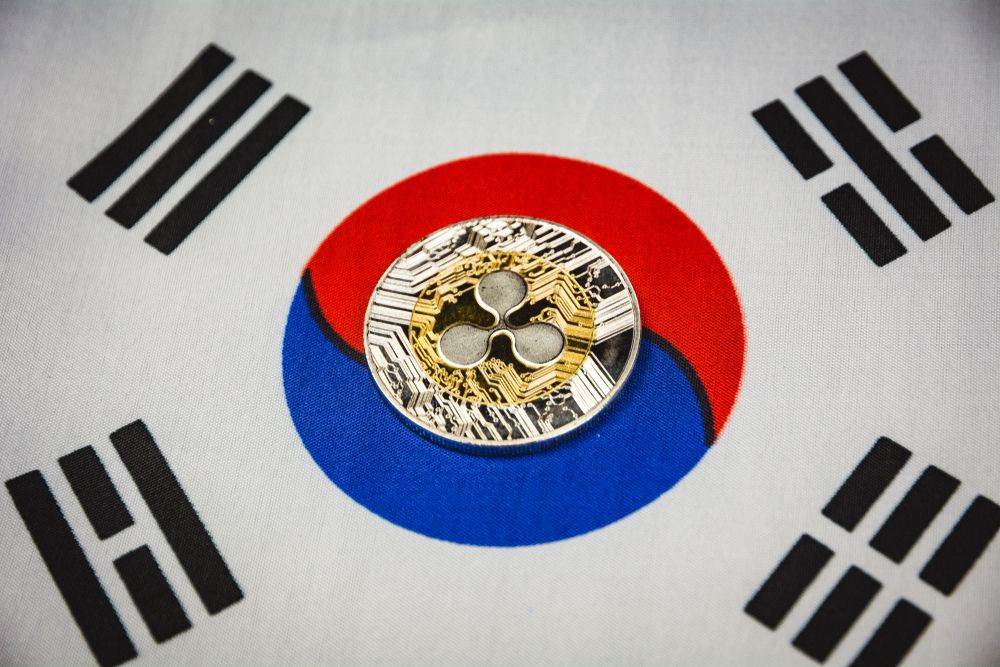
As BDACS, a regulated digital asset custodian, adds institutional custody support for XRP, South Korea’s cryptocurrency industry, one of the most active in the world, is experiencing a significant change.
This decision, announced on August 5, 2025, strengthens XRP’s position in the market and aligns with the growing demand for secure and compliant cryptocurrency infrastructure. BDACS is making it easier for institutional investors to trade XRP in a regulated environment by working with key exchanges and Ripple’s custody solutions.
Partnership Between BDACS and Ripple
The official partnership between BDACS and Ripple, announced in February 2025, plays a crucial role in this growth. BDACS uses Ripple Custody, an enterprise-grade platform, to handle XRP and Ripple’s stablecoin, RLUSD, safely. This alliance aligns with the Financial Services Commission of South Korea’s plan to increase the involvement of more institutions in digital assets.
BDACS works with prominent exchanges like Upbit, Coinone, and Korbit to make it easy for institutional clients to trade. This increases liquidity and market reach. The move shows that South Korea is becoming more open to new ideas and that an increasing number of institutions are interested in blockchain technology.
XRP’s Power in South Korea
XRP has been a popular asset in South Korea for a long time, and it has a lot of trading volume on local platforms. According to CoinGecko, XRP makes up more than 19% of Upbit’s daily trading volume, surpassing Bitcoin and Ethereum.
XRP has a 16% share on Bithumb, showing how popular it is. XRP is the second most popular cryptocurrency in the country, with 1.38 million holdings on Bithumb. Bitcoin is the only one that is more popular. The excitement from both retail and institutional investors shows how unusual XRP is in South Korea’s crypto industry.
Institutional Use and Market Effects
BDACS’s launch of XRP custody services meets the growing demand for safe, compliant infrastructure for institutional investors. The custodian’s connection to key exchanges permits institutions to use XRP on South Korea’s most active markets, which helps it become more popular.
Industry experts think that by 2030, crypto custody may handle $16 trillion in assets, and tokenized assets could make up 10% of global GDP. This agreement puts BDACS and Ripple in a good position to take advantage of this trend, which will make XRP more important in institutional portfolios.
Market Outlook and Price Changes
XRP is worth about $2.93 as of August 6, 2025, which is a drop of 3.62% in the last 24 hours. Analysts say that $2.96 is a critical support level and that there may be positive divergence over shorter periods. In the past, retail-driven rallies have resulted in significant price increases. However, BDACS’s institutional custodial backing could help stabilise demand and reduce volatility.
However, recent coverage in the mainstream media, including contentious assertions that XRP was once a “meme coin”, has raised fears about a possible market top and made investors more cautious. The debut of XRP custody services by BDACS is a big step forward for South Korea’s crypto market, as it meets the needs of institutions while also following the rules.
BDACS increases XRP’s position in one of the world’s most active crypto markets by working with prominent exchanges and using Ripple’s technology. XRP’s importance in South Korea’s digital finance ecosystem is likely to rise as more institutions use it. The move might change how the market works in that area and beyond.