KEY TAKEAWAYS
- The Flipper Zero is a versatile pentesting tool that can emulate wireless signals but poses indirect risks to crypto through phishing and physical exploits.
- Phishing scams that mimic Flipper Zero sales often steal cryptocurrency by requesting payments to fake sites.
- RFID and NFC cloning capabilities highlight the need for encrypted hardware in crypto wallets to prevent unauthorized access.
- Using official channels and RFID blockers provides simple solutions to counter device-related threats.
- Regular firmware updates and multi-layered security ensure long-term protection for both new and experienced crypto users.
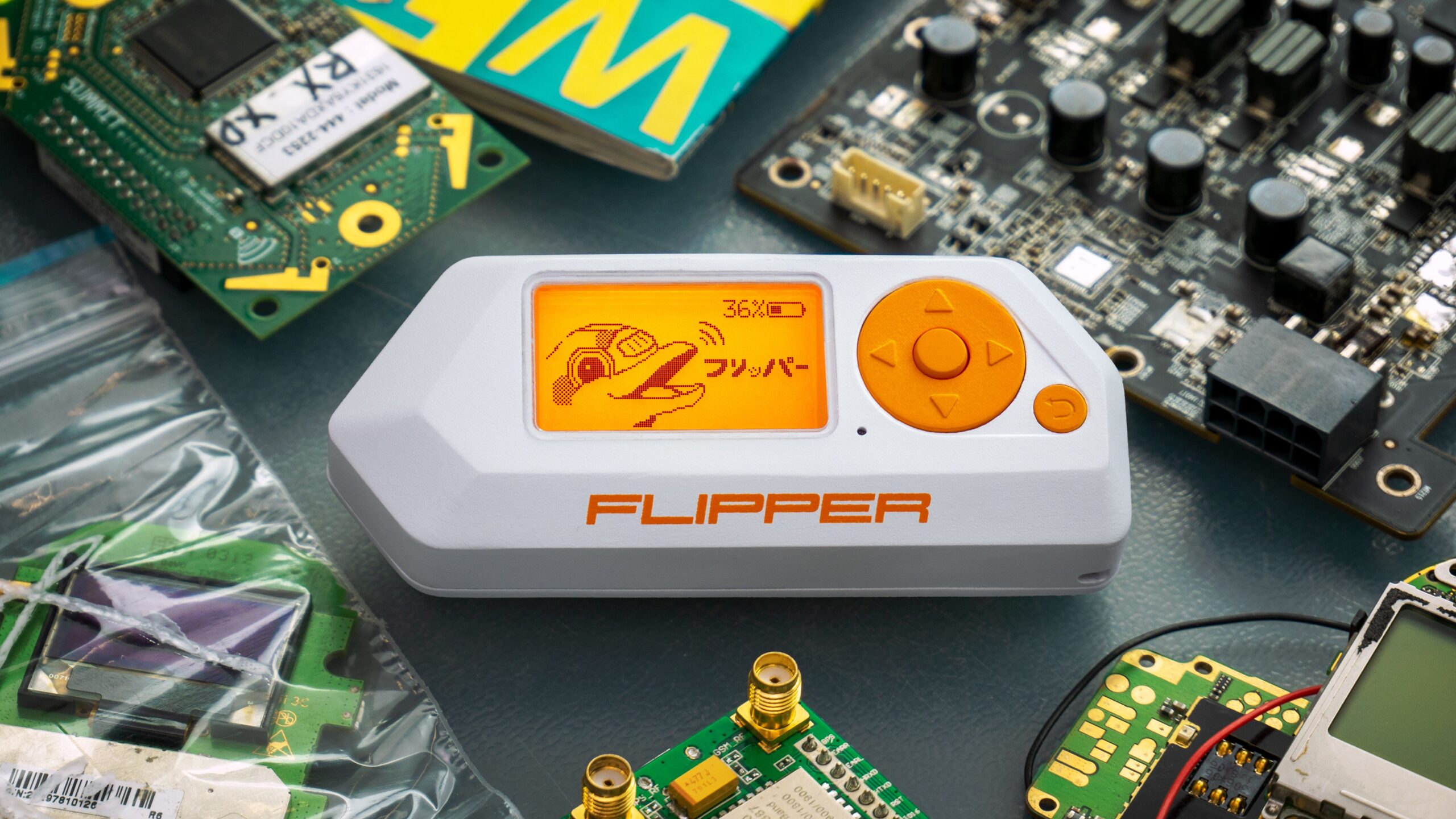
Both new and veteran users need to learn how to use new technologies like the Flipper Zero. This compact multi-tool is sometimes called a hacker’s Swiss Army knife because it can perform many tasks, such as emulating RFID, reading NFC tags, capturing sub-GHz signals, operating infrared devices, and communicating via Bluetooth.
It was first developed for ethical penetration testing and hardware exploration, but it has since sparked conversations about its implications for crypto security. It doesn’t directly hack blockchain networks, but it can find weaknesses in the physical and digital security measures that protect crypto wallets and transactions.
This article goes into detail about what the Flipper Zero is, how it could be dangerous for those who own cryptocurrency, and practical steps you can take to improve your security so that your investments stay safe all the time.
What is the Flipper Zero?
The Flipper Zero is a little, open-source device that looks like a toy with a dolphin mascot on its screen. Its real strength, though, is that it can work with many different wireless technologies. It can read and mimic RFID and NFC tags, which are often used in access cards and payments that don’t require a card.
It can also pick up and play back sub-GHz frequencies from garage doors or older remote systems, imitate infrared signals for TVs, and even spam Bluetooth Low Energy (BLE) signals to mess with adjacent devices.
For people who like crypto, third-party apps let you use it as a simple cold-storage wallet, generating addresses and QR codes for offline transactions without an internet connection. This makes it fun to try out, but it also shows how important it is to be careful because aftermarket firmware can make it work beyond what it was designed to do.
The device was made possible by a successful Kickstarter campaign. It emphasizes ethical use and includes built-in safeguards to prevent illicit acts. But its low price (around $169) and the fact that it can be expanded with community-developed software have made it popular among security researchers and enthusiasts.
In the world of cryptocurrency, it shows how everyday hardware can affect digital banking, prompting people to rethink how they keep their data safe.
Possible Dangers Flipper Zero Poses to Crypto Users
One of the main reasons people are worried about Flipper Zero’s connection to crypto security is the prevalence of phishing campaigns that exploit its popularity. Cybercriminals set up bogus online stores and social media accounts that appear to be real to trick people into buying by promising speedy delivery during periods of low availability.
Many of these frauds ask for payment in cryptocurrencies like Bitcoin or Ethereum, meaning the money is stolen as soon as the transaction begins. Victims may also give over personal information like emails and addresses, which can be used for more targeted attacks, including trying to get into crypto exchange accounts.
The device’s RFID and NFC features are also a cause for concern when it comes to physical security, in addition to phishing. Most hardware wallets, like Ledger and Trezor, use USB connections instead of wireless ones. However, some experimental configurations or NFC-enabled cards for two-factor authentication could be open to cloning if they aren’t adequately protected.
For example, if a crypto user keeps seed phrases on an NFC tag for convenience, a Flipper Zero may read and copy them from a short distance, but this would require physical access and old protocols. Sub-GHz and infrared characteristics might not directly damage crypto, but they could get into home security systems, letting those who shouldn’t be able to get in get to places where actual wallets are kept.
Making changes to these things makes the hazards even worse. Hackers sell modified software for the device, which makes it possible for things like signal jamming or stealing data through USB. This might indirectly target PCs that have crypto software on them.
People exchange these kinds of gadgets for cryptocurrencies on the black market, which makes it possible for the device to be used in ways it shouldn’t be. New users might not see these concerns because they think that crypto’s decentralized nature makes it safe by itself. But experienced users know that there are both physical and digital vulnerabilities.
How Flipper Zero Shows That Crypto Security is Weak in Other Ways
The rise of devices like Flipper Zero shows that crypto security goes beyond online dangers like malware and exchange breaches. It shows how vulnerable old systems are, such as using unencrypted RFID in some access controls, which is similar to how crypto used to work, like storing keys on devices that aren’t safe.
For instance, if a person’s home network has weak IoT devices that the Flipper can control, it might make it easier for hackers to attack associated crypto programs.
Security researchers have shown in real life how the device may clone MIFARE Classic cards by taking advantage of cryptographic weaknesses. This method is similar to how weakly secured hardware wallets could be attacked.
This shows how important it is to use modern security standards in all areas, like rolling codes and robust encryption. People who utilise crypto, especially those who have a lot of it, need to think about how these technologies could be used in social engineering schemes or physical breaches.
Ways to Keep Your Crypto Safe from Threats Like Flipper Zero
To lower the risks associated with Flipper Zero and similar gadgets, make sure to buy them only through official channels and avoid third-party merchants that require crypto payments up front. Always check URLs and social media handles for small signs of impersonation, and use malware scanners to find phishing sites.
If you use NFC-enabled devices, you need to buy RFID-blocking wallets or sleeves for physical security. However, most crypto hardware is designed to avoid wireless weaknesses. Choose well-known hardware wallets that have air-gapped features.
This will keep your seed phrases safe offline and never in forms that can be easily cloned. To fix known vulnerabilities that sub-GHz or BLE attacks can exploit, make sure to regularly update the firmware on all your devices, such as routers and smart locks.
Use applications or hardware keys instead of SMS to enable multi-factor authentication on crypto accounts. This will make you less dependent on phone signals that could be weak.
If you’re an advanced user trying out Flipper Zero as a wallet, only use cold storage modes and don’t connect it to live networks. Conduct frequent security audits and use ethical tools to simulate attacks and identify weak spots in your setup.
Education is really important. Stay up to date by following reliable crypto forums, and don’t buy things just because they’re popular; this could lead to scams. You make your system more resistant to new threats by adding layers of protection, such as strong passwords and safe storage.
Improving Crypto Security in a World with Many Tools
Tools like Flipper Zero will continue to make it hard to distinguish between new ideas and risks as technology advances. But taking steps in advance can turn such weaknesses into strengths.
People who know what they’re doing might even use the device to test their own security configurations to make sure they’re safe from real-world threats. In the end, staying alert and following best practices will keep your crypto safe, no matter what new gadgets come out.
FAQs
What makes Flipper Zero a concern for crypto security?
It can facilitate phishing scams that steal crypto payments and potentially clone NFC elements in insecure setups, though direct wallet hacks are limited.
Can Flipper Zero directly hack my hardware wallet?
No, most hardware wallets are air-gapped and USB-based, making them resistant to the device’s wireless capabilities.
How do I avoid phishing scams targeting Flipper Zero?
Always purchase from the official website and verify social media accounts to avoid falling for fake accounts demanding crypto upfront.
Is using Flipper Zero as a crypto wallet safe?
It can serve as cold storage with third-party apps, but it’s experimental and best for small amounts with offline precautions.
What steps should new crypto users take against such tools?
Focus on secure storage, enable 2FA, and educate yourself on physical security to complement digital protections.
References
- Heimdalsecurity.com: Growing Interest in Flipper Zero Capitalized by Cybercriminals in Phishing Campaign
- Bleepingcomputer.com: Ongoing Flipper Zero Phishing Attacks Target Infosec Community
- MDPI.com: Exploring the Real Capabilities of the Flipper Zero