Blockchain technology relies fundamentally on private keys. They give users complete control over their assets and prove ownership of digital funds but for many people, private keys are the most risky part of using blockchain and an area they find hard to manage. Losing a key means losing access forever and forgetting a recovery phrase can wipe out everything. Walletless Web3 is a new idea that is changing the narrative. So, has blockchain evolved beyond using private keys? Yes, it has.
In this guide, you will learn what walletless Web3 is, how it works, and why it could make blockchain simpler, safer, and more accessible for everyone.
Key Takeaways
• Walletless Web3 allows users to access blockchain apps without managing private keys.
• It replaces seed phrases with familiar logins such as email, Google accounts, and biometrics.
• It improves user experience while keeping blockchain’s security intact.
• When done right, walletless Web3 can make blockchain adoption easier and safer for everyone.
What Makes Private Keys a Barrier?
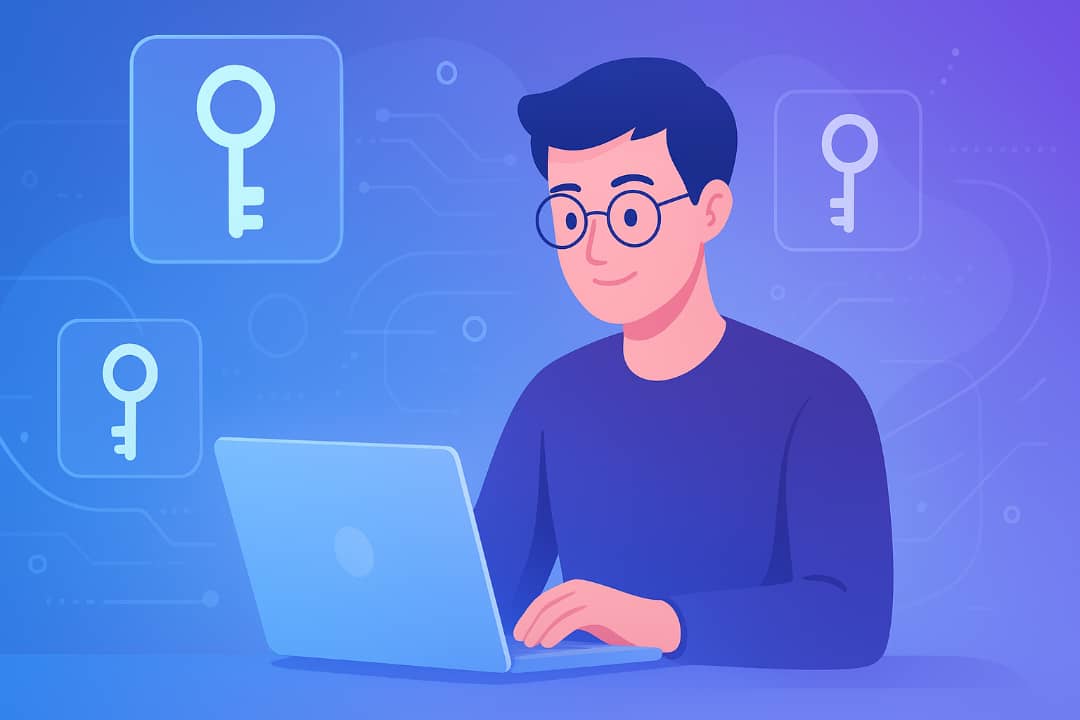
A private key is a long string of random characters. It is easy to lose and impossible to guess. If it is stolen or forgotten, there is no backup. They were designed to protect assets and give people full control, but most users are not used to managing that level of responsibility. Private keys started to feel like a barrier as more people without technical experience began using blockchain.
This difficulty keeps many new users from getting started. People often give up because managing private keys feels overwhelming. As Web3 grows, it needs simpler ways for everyone to access and interact with decentralized systems.
Walletless Web3
Walletless Web3 is a way to use blockchain without having to manage private keys directly. It lets users interact with decentralized systems using familiar logins, like email, Google accounts, and biometrics, while keeping their assets secure.
Walletless Web3 removes the pressure of managing private keys by connecting blockchain access to something users already know how to use. Users can log in with their Google account, fingerprint, or email address. On the back end, the system still uses cryptography, but the user never needs to see or handle a private key. This approach keeps blockchain secure while removing the most stressful part of the process. It is similar to how online banking works. You do not see the encryption that keeps your account safe. You just log in and use it. Walletless Web3 wants to bring that same simplicity to decentralized apps.
How Does Walletless Systems Work?
To make walletless Web3 possible, developers use a system known as key management abstraction. This means that the private key still exists, but it is managed in a secure and user-friendly way.
Web3Auth is one of the most popular examples. It splits a user’s key into different parts stored across multiple locations. When a user logs in through their Google account or device, those parts combine to give the user access. Another example is Magic.link, which takes another approach by allowing users to sign in through an email or social login. The system automatically creates and manages their wallet in the background. Privy, on the other hand, helps developers integrate walletless logins into their apps quickly using trusted authentication methods. These tools have incorporated walletless Web3 into real applications. They show that this approach is not just a concept and is already running on many blockchain platforms today.
The Concerns Around Walletless Systems
Walletless Web3 brings many benefits, but it also raises some valid concerns. Some users worry that linking blockchain access to centralized platforms like Google could reduce decentralization. Others are concerned that if a service goes offline, they might temporarily lose access.
In response, developers are already addressing these issues by combining decentralized storage with recovery options. The goal is to make blockchain easier to use while keeping control in the hands of the user. As the technology improves, it will continue finding ways to make access reliable and user-friendly.
Conclusion
With walletless Web3, blockchain is easier than ever. People can now enjoy the benefits of decentralized technology as access has been simplified. Private keys still keep things secure, but they no longer get in the way. Using blockchain is now straightforward and accessible. Walletless Web3 keeps the system safe while letting more people participate without having to deal with managing their private keys.