
Coinbase CEO Brian Armstrong will meet with leading banking executives this week at the World Economic Forum to break the impasse on cryptocurrency regulation. The goal of the talks is to amend the CLARITY Act, a law that would restructure the U.S. cryptocurrency market but has encountered major obstacles in Congress.
In a recent video update, Armstrong, a well-known supporter of crypto innovation, announced his plans, highlighting the necessity of cooperation between the digital asset industry and traditional banking.
“I’m discussing economic freedom and how cryptocurrency can modernise their financial system with various world leaders,” Armstrong said. “Stablecoins should be an opportunity for both banks and crypto companies as long as we’re all treated on a level playing field,” he added, underscoring the potential of stablecoins.
Away from the heavy political scrutiny of Washington, D.C., these conversations take place in a high-profile setting at the World Economic Forum, which runs from January 19 to 23.
The gathering could serve as a catalyst for advancing crypto-friendly regulations, given the presence of business giants and world leaders. It’s unclear whether President Donald Trump will discuss cryptocurrency during his anticipated appearance.
Coinbase’s Abrupt Loss of Assistance
These discussions are prompted by Coinbase’s sudden decision last week to stop supporting a revised draft of the CLARITY Act. Days before a scheduled markup vote, Armstrong studied the 182-page draft that was presented by the Senate Banking Committee.
He claimed that the new version would restrict crucial crypto capabilities and impede industry advancement, calling it “materially worse than the current status quo.”
The Senate’s markup session was immediately postponed indefinitely following this action. As one of the top lobbyists for the cryptocurrency sector, Coinbase’s position has a significant impact on how laws are passed.
Important Obstacles in the Bill
Provisions pertaining to stablecoin yields, which banks have cautioned could divert deposits from traditional institutions, are at the centre of the dispute. Armstrong retorted that such policies would give legacy financial firms an unfair advantage and hinder innovation in the stablecoin ecosystem.
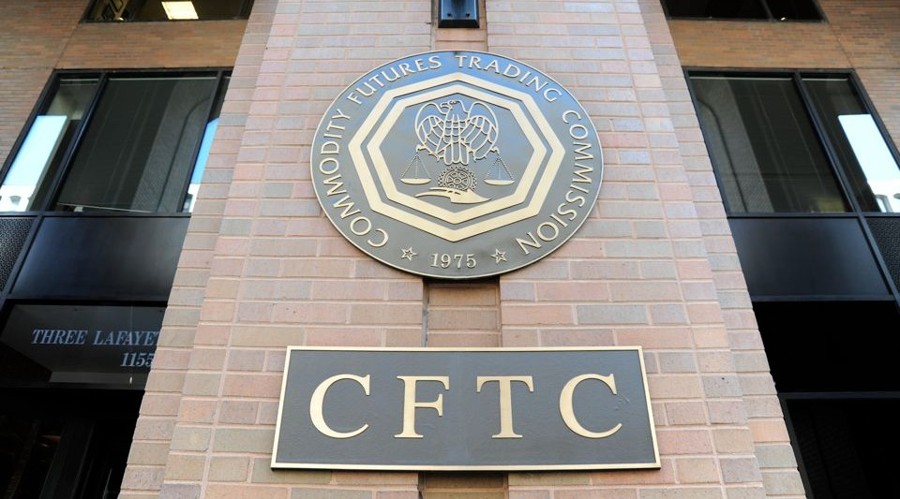
He emphasised the dangers of increased government monitoring of financial data and of a proposed transfer of jurisdiction from the Commodity Futures Trading Commission to the Securities and Exchange Commission, which might make it more difficult to conduct cryptocurrency activities.
Armstrong’s criticism highlights larger conflicts between traditional banks and fintech upstarts, with the law perhaps tipping the balances in the latter’s favour. He expressed hope for fruitful discussion by reaffirming, “We’re going to continue to work on the market structure legislation, and meet with some of the bank CEOs to figure out how we can make this a win-win.”
Wider Consequences for Crypto and International Finance
Armstrong intends to discuss Bitcoin modernization with international leaders in addition to the current law. He sees tokenization as a means to expand access to capital markets and advance global economic inclusion. The rapid expansion of the cryptocurrency industry is highlighted by this Davos push, which coincides with a flurry of recent advances in ecosystem funds and staking models.
Stakeholders will be keenly monitoring the negotiations to see if they can bring the CLARITY Act back to life and create a regulatory framework that strikes a balance between stability and innovation.
The result may influence worldwide norms by establishing precedents for how the United States incorporates digital assets into its financial infrastructure. Armstrong’s initiatives highlight the industry’s resolve to have a say in how the cryptocurrency sector develops.