

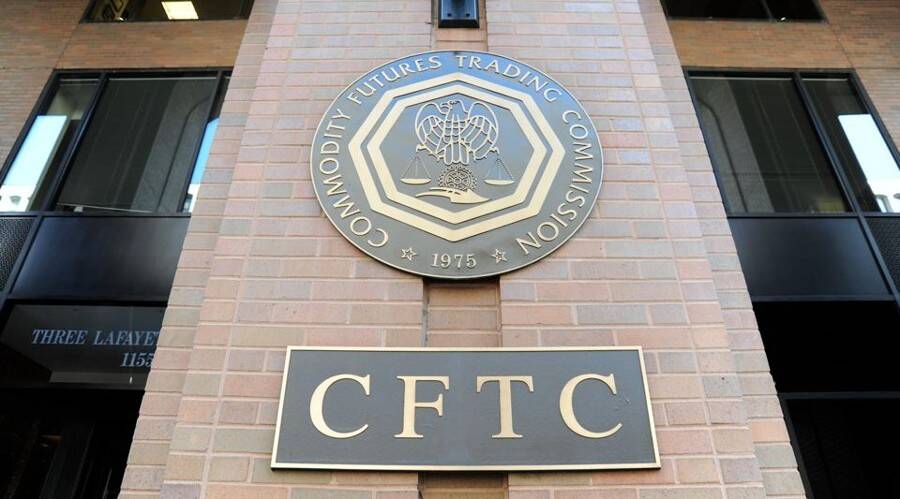
Why Are Lawmakers Challenging the CFTC on Prediction Markets?
Commodity Futures Trading Commission Chair Michael Selig faced scrutiny from lawmakers during a House Agriculture Committee hearing over the agency’s approach to regulating prediction markets. The discussion comes as trading activity in event-based contracts accelerates, drawing attention to both regulatory gaps and ethical concerns.
Lawmakers pointed to controversial contracts tied to real-world events, including wagers on geopolitical outcomes, as evidence that the market may be expanding beyond its original intent. “This is nuts,” said Rep. Jim Costa during the hearing. “Do you think this is what was intended?”
Selig defended the agency’s position, noting that the CFTC operates under a broad statutory mandate and has already initiated an advanced notice of proposed rulemaking to evaluate how such contracts should be handled. The agency has also asserted exclusive jurisdiction over prediction markets, despite pushback from states that argue these platforms may violate local gambling laws.
The debate highlights a growing tension between federal oversight and state-level enforcement, particularly as prediction markets expand into areas such as politics, sports, and global events.
What Role Does Hyperliquid Play in the Oversight Debate?
Beyond prediction markets, lawmakers also raised concerns about offshore crypto platforms such as Hyperliquid, which offer perpetual futures trading outside US regulatory jurisdiction. These platforms have gained traction among both crypto-native and traditional traders seeking round-the-clock exposure to assets such as oil.
Republican Rep. Austin Scott questioned how the CFTC could effectively oversee such markets, given their offshore structure. Selig responded that the agency is monitoring activity and aims to bring more of these markets under US regulatory oversight.
The issue reflects a broader challenge for regulators: trading activity is increasingly global and decentralized, while enforcement authority remains tied to jurisdictional boundaries. As liquidity shifts toward offshore venues, domestic regulators face limitations in applying existing frameworks.
Investor Takeaway
Does the CFTC Have the Capacity to Regulate Expanding Markets?
Lawmakers from both parties questioned whether the CFTC has sufficient resources to oversee not only prediction markets but also the broader digital asset sector. The agency has long operated with fewer resources than its counterpart, the Securities and Exchange Commission, which has roughly six times the staff.
Rep. Angie Craig raised concerns about enforcement capacity, particularly as new markets continue to emerge. The issue is compounded by ongoing legislative efforts that could expand the CFTC’s authority over digital assets, potentially increasing its regulatory burden.
Selig responded that the agency is improving efficiency, hiring additional staff, and incorporating artificial intelligence into its surveillance systems. However, questions remain about whether these measures are sufficient given the pace of market expansion.
The staffing gap is further complicated by leadership constraints. The CFTC is currently operating without its full slate of commissioners, with Selig serving as the sole commissioner until additional nominations are made.
Investor Takeaway
What Comes Next for Rulemaking and Market Structure?
The CFTC has already taken initial steps toward defining its approach to prediction markets through its recent rulemaking notice. However, lawmakers signaled concern about the pace and direction of future regulation, particularly given the agency’s current leadership structure.
Some members of Congress urged caution in advancing new rules without a full commission in place, while others emphasized the need to continue rulemaking to protect investors and consumers. Selig indicated that the agency would not pause its efforts despite the current vacancies.
The outcome of these discussions will shape how prediction markets and crypto trading platforms operate in the US. As institutional interest grows and new products emerge, the balance between innovation, oversight, and enforcement capacity will remain a central issue for regulators and market participants.


