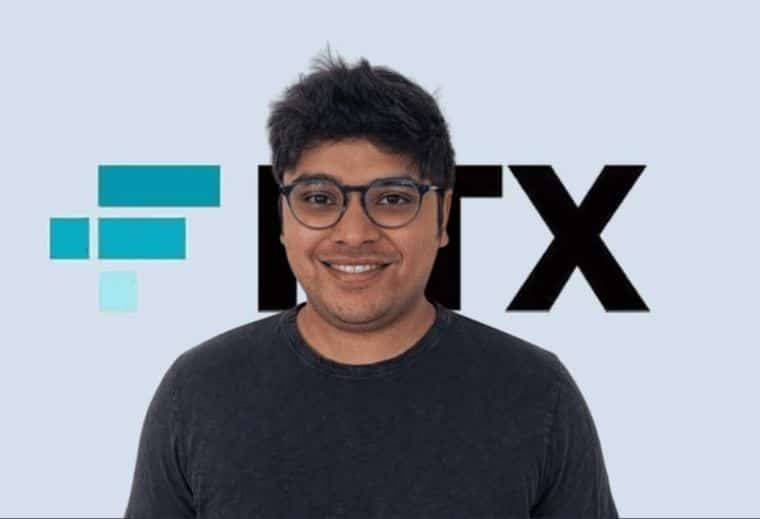
Nishad Singh, former FTX director of engineering and a close associate of Sam Bankman-Fried, received a “time served” sentence on Wednesday, sparing him prison time.
U.S. District Judge Lewis Kaplan also ordered Singh to pay $11 billion in restitution. Singh, 29, is the fourth FTX executive to be sentenced for involvement in the crypto exchange’s collapse, but his extensive cooperation with prosecutors helped him avoid a prison term.
The court filing describes Singh as a “selfless individual” and claims that his involvement in the conspiracy occurred just two months before FTX’s collapse. Following the company’s bankruptcy, Singh voluntarily flew to New York to assist authorities. His cooperation provided critical evidence that helped secure convictions for Bankman-Fried and Salame.
Singh’s sentence contrasts with those of his former colleagues. Bankman-Fried, the mastermind behind the fraud, was sentenced to 25 years in March. Ex-Alameda Research CEO Caroline Ellison received a two-year sentence, reduced significantly due to her cooperation with prosecutors. Ryan Salame, former CEO of FTX Digital Markets, recently began a 7.5-year sentence, having declined to testify against Bankman-Fried.
Judge Kaplan highlighted Singh’s lesser role in the fraud, noting that Singh was not deeply involved until late in the company’s unraveling. Despite discovering FTX’s $8 billion deficit two months before the company’s collapse, Singh went ahead with a personal purchase of a $3.7 million estate, a move his attorney, Andrew Goldstein, described as a “deep mistake.”
Singh, however, quickly cooperated with authorities after FTX’s downfall, testifying against Bankman-Fried and providing information on crimes unknown to investigators.
The courtroom was packed with Singh’s family, including his fiancée Claire Watanabe, while Judge Kaplan personally addressed Singh’s parents, speaking empathetically from his perspective.
Singh testified that he confronted Bankman-Fried about Alameda Research’s financial situation and the $13 billion in borrowed funds that Alameda couldn’t repay. Bankman-Fried acknowledged they were “a little short on deliverables,” which left Singh feeling “blindsided and horrified.”
Wang testified that, under Bankman-Fried’s direction, Alameda Research was allowed to withdraw funds even if its account had a negative balance. This revelation was part of the evidence that contributed to Bankman-Fried’s conviction.