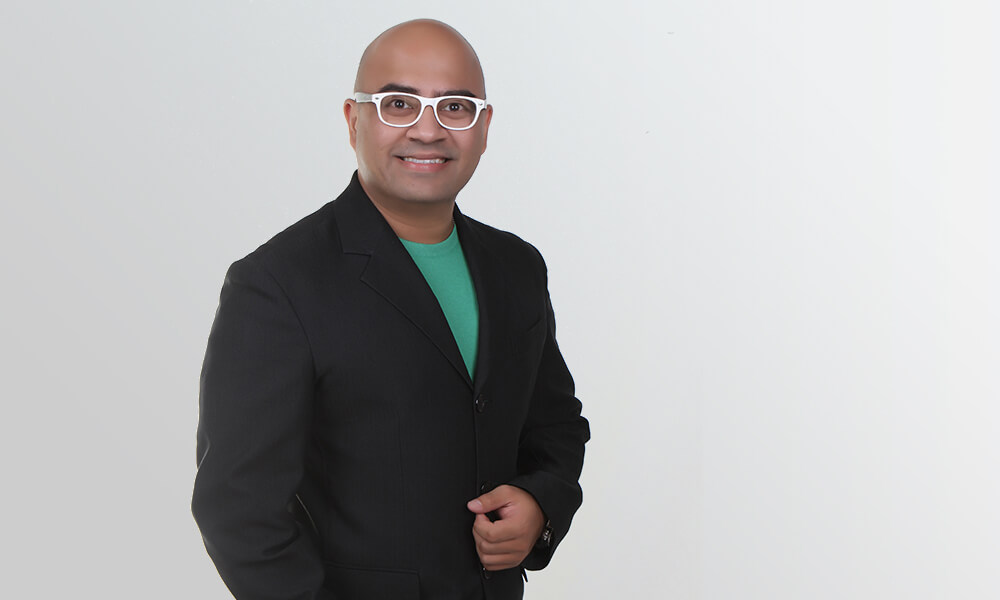
The Financial Commission has appointed Mario Singh to its Dispute Resolution Committee, expanding the panel responsible for handling complaints between brokers and their clients. The addition brings the total number of experts on the committee to 38, reflecting ongoing efforts to broaden the expertise applied to dispute resolution in retail trading.
The appointment comes as dispute volumes and complexity continue to increase across FX and CFD markets, driven by higher trading activity and more varied execution models.
Committee Expansion Supports Case Handling Capacity
The Dispute Resolution Committee operates as a panel of independent professionals tasked with reviewing and resolving client complaints involving member firms. Cases typically relate to execution issues, pricing disputes, or account-related concerns that could not be resolved directly between brokers and clients.
Adding new members increases the committee’s capacity to process cases and introduces additional perspectives into decision-making. The structure relies on a non-biased protocol, with members assessing disputes based on available evidence and established rules.
Nikolai Isayev, Chief Operating Officer of the Financial Commission, said Singh’s experience across trading, brokerage operations, and media brings a perspective that can support the committee’s mediation framework.
The committee’s role has become more relevant as trading platforms diversify and disputes involve more complex products and execution environments.
Industry Experience Shapes Dispute Resolution
Mario Singh brings two decades of experience in the margin trading sector, including roles as a trader, affiliate, and brokerage operator. This background provides familiarity with both client and broker perspectives, which can influence how disputes are assessed.
His involvement in different parts of the trading ecosystem reflects the type of expertise often sought for dispute resolution roles, where understanding operational processes is essential.
Singh said his experience across the industry has provided insight into both its strengths and structural challenges. He said the role offers an opportunity to contribute to higher standards and improved trust within the trading community.
The inclusion of professionals with varied backgrounds supports the committee’s ability to evaluate disputes that may involve technical, operational, or commercial factors.
External Dispute Resolution Remains Key For Retail Trading
The Financial Commission operates as an external dispute resolution forum, providing an alternative pathway for clients who cannot resolve issues directly with brokers. This model is commonly used in retail trading, where clients may lack access to formal legal processes.
By offering a structured mechanism for handling complaints, the organization aims to provide consistency in how disputes are resolved. Decisions are based on predefined rules and evidence submitted by both parties.
The scope of disputes has expanded over time, covering not only foreign exchange but also CFDs and other derivative products. This reflects the broader range of instruments now available to retail traders.
As trading platforms evolve, dispute resolution frameworks must adapt to new types of issues, including those related to technology, execution models, and platform functionality.
Focus On Transparency And Client Protection
The appointment also highlights ongoing efforts to strengthen transparency and client protection within the retail trading sector. Independent dispute resolution mechanisms are often used to build trust between brokers and clients.
Committee members contribute to this process by applying industry knowledge to individual cases, helping ensure that decisions are informed by practical understanding of trading environments.
The presence of experienced professionals can also influence how standards are interpreted and applied, particularly in areas where formal regulation may leave room for interpretation.
This approach complements regulatory oversight by providing an additional layer of review for client complaints.
What This Means For Brokers And Clients
For brokers, the expansion of the Dispute Resolution Committee may improve the speed and consistency of case handling, reducing the time required to resolve disputes. It also reinforces the role of external mediation in maintaining client relationships.
For clients, access to a broader panel of experts may increase confidence in the dispute resolution process, particularly in cases involving complex trading scenarios.
The effectiveness of the system depends on the quality of decisions and the ability to apply rules consistently across different cases. As trading activity grows, maintaining these standards becomes increasingly important.
The appointment of Mario Singh adds another layer of experience to the committee, supporting its role in addressing disputes within a market that continues to evolve in structure and complexity.