Wireless technology is evolving fast, and 6G is being developed as the next phase after 5G. It promises lower delays, faster speeds, and better connections for things like AI systems, smart cities, and connected devices.
Before 6G can completely roll out, it requires real-world testing in various locations. This is where decentralized networks come in.
Rather than depending on big telecom companies, individuals can now help build and test these networks by setting up decentralized nodes. These nodes function like small parts of a larger system, helping collect data, enhance coverage, and support performance testing.
Key Takeaways
- Decentralized nodes allow individuals to support and test emerging 6G networks
- You can earn rewards by contributing bandwidth, data, and network performance
- Setting up a node requires basic hardware, internet access, and simple configuration
- Benefits include passive income, flexibility, and early access to new technology
- Earnings depend on factors like uptime, location, and overall performance
- Starting early can give you an advantage as the ecosystem grows
What is a Decentralized Node?
This refers to a device that connects to a network and helps it function without depending on a central authority. Instead of one organization being in charge of everything, many individual nodes collaborate to keep the system operational.
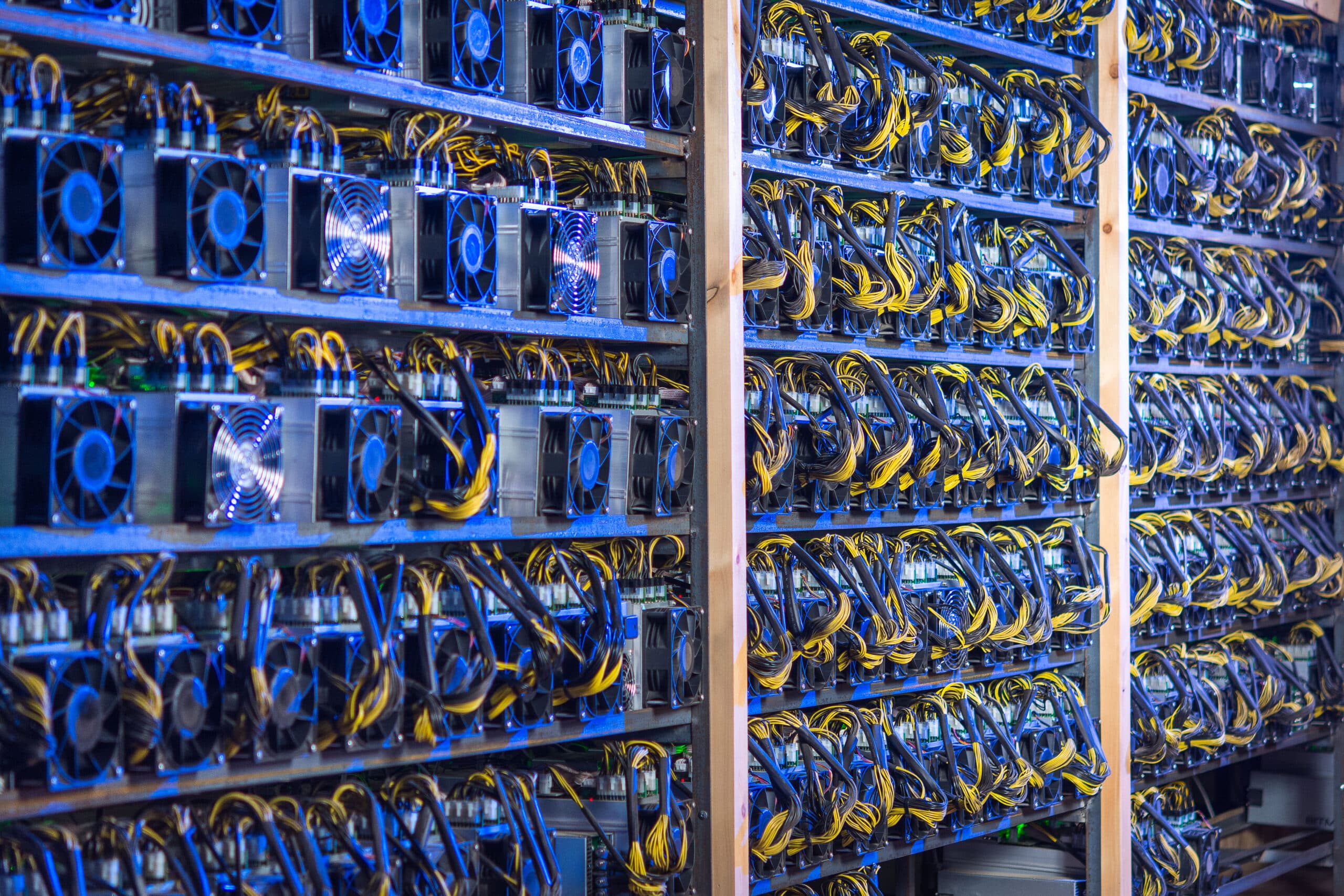
A node can be a small piece of router, hardware, antenna, or computer that sends, receives, or processes data. When several nodes are connected, they form a distributed network that is more resilient and flexible.
Unlike traditional telecom systems, where big companies build and manage towers and infrastructure, decentralized nodes are usually owned and operated by individuals. Therefore, anyone can contribute to the network from their location.
In the context of 6G testing, a decentralized node assists by collecting network data, sharing bandwidth, and testing signal strength.
Understanding 6G and Why Testing is Needed
6G is the next generation of wireless technology after 5G. It is anticipated to be faster, more reliable, and able to connect more devices at the same time.
6G will support advanced use cases like autonomous vehicles, smart cities, autonomous vehicles, and large networks of connected devices.
Since 6G is still in development, it requires much testing in real-world environments. Lab testing alone isn’t sufficient. Networks must be tested in offices, homes, cities, and rural areas to see their performance under various conditions.
Testing assists developers in understanding signal strength, delays, network speed, and reliability. It also helps monitor problems early so they can be resolved before full deployment. This is why decentralized testing is essential for building a reliable and strong 6G network.
Step-by-Step: How to Set up a Decentralized Node
This process is simpler than it sounds. Here are the steps to begin:
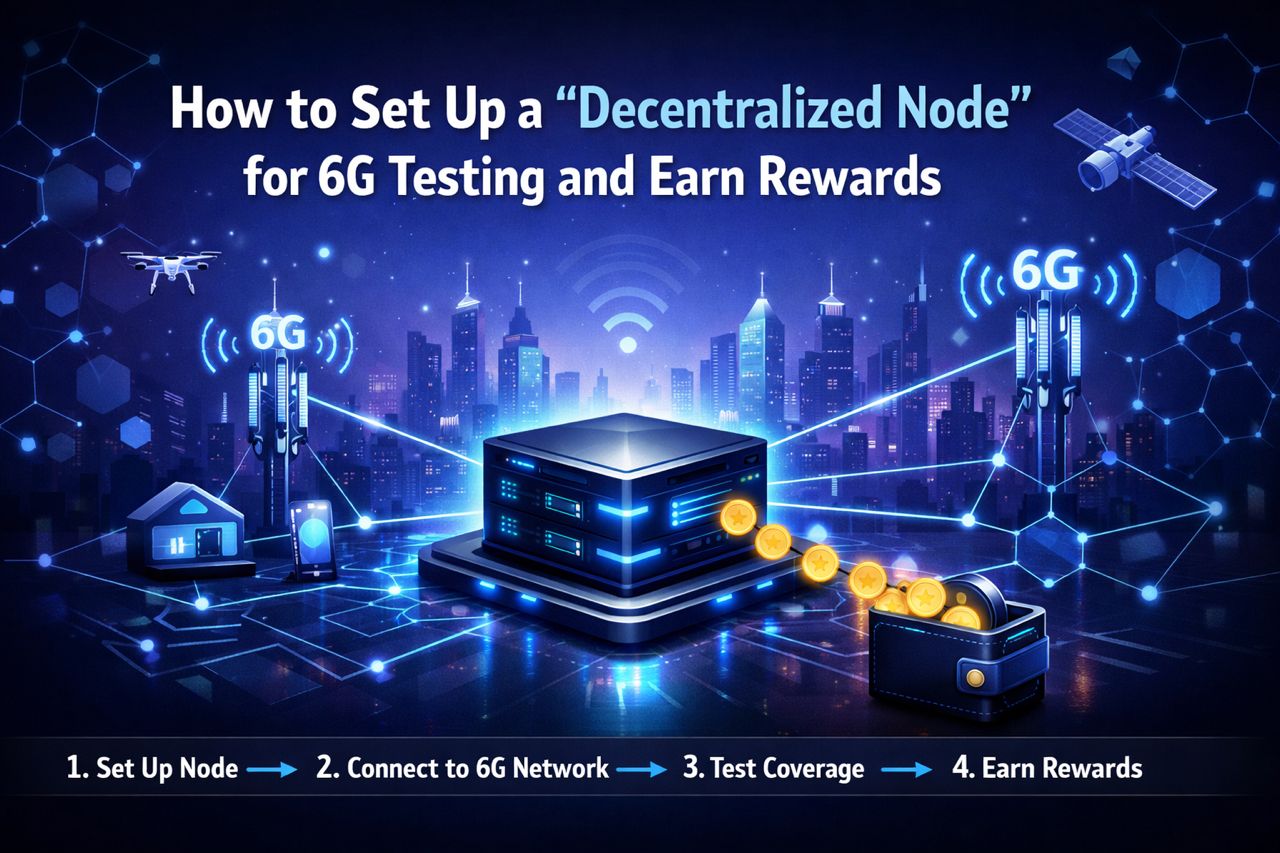
1. Choose a 6G/DePIN platform
Start by opting for a platform that supports decentralized nodes. Ensure it is trusted, has proper documentation, and clear reward systems.
2. Get the required hardware
Set up or purchase the hardware needed. This might be an antenna, router, or a dedicated node device, depending on the platform.
3. Install the node system
Download and install the software from the platform. This software connects your device to the network and enables it to start working as a node.
4. Connect your device to the network
Link your hardware to a stable power source and internet connection. Ensure everything is well configured for smooth operation.
5. Register your node on-chain
Several platforms require you to register your node with a crypto wallet. This step ensures your activity is monitored and rewards are assigned to you.
6. Start contributing
After setting up, your node begins to perform tasks like collecting data, sharing bandwidth, or testing network performance.
7. Monitor performance and rewards
Use the platform dashboard to track your node’s performance and how much you are earning. Make adjustments if needed to enhance results.
Benefits of Running a Decentralized Node
This isn’t just about earning rewards. It offers access to new opportunities and puts you at the centre of emerging technology.
1. Earn passive income
When your node is set up, it can function continuously and generate rewards with minimal daily effort. Provided your device is online and performs well, you keep earning.
2. Be an early adopter advantage
When you get involved early in 6G, and decentralized infrastructure can be very rewarding. Early participants usually receive higher incentives and gain experience before the space gets crowded.
3. Support the future of connectivity
When you run a node, you actively contribute to building and testing next-generation networks. You are helping improve coverage, speed, and reliability for future users.
4. Low startup costs compared to traditional infrastructure
Unlike telecom companies that need massive investments, individuals can begin with relatively affordable hardware and internet access.
5. Full ownership and control
You own the node and decide how and where to run it. There is no central authority that manages your earnings or participation.
6. Flexible setup options
You can operate your node from your office, home, or any location with stable internet and power. This makes it available to a broad range of users.
7. Scalable earnings potential
As you understand more, you can expand by setting up multiple nodes in various locations. This can boost your rewards over time.
8. Incentives for reliability and performance
Several platforms reward users who maintain strong connectivity, high uptime, and good performance. This means better consistency and setup can lead to higher earnings.
9. Exposure to Web3 and emerging tech
Running a node introduces you to crypto wallets, blockchain, and decentralized systems. This knowledge can birth other opportunities in the space.
10. Community and ecosystem participation
Many decentralized networks have active communities. You can share ideas, learn, and remain updated with new developments, which can improve your earnings and setup.
Conclusion – Final Thoughts on Decentralized Nodes and 6G
Setting up a decentralized node for 6G testing is a simple way to be part of the future of connectivity. Instead of waiting for large telecom companies, individuals can now contribute directly to building and improving networks.
With the right setup, you can earn rewards while supporting real-world innovation. Although there are some risks and learning curves, the opportunity to combine technology, income, and early adoption makes it worth exploring. Starting small and learning as you go is often the best approach.