

What Triggered the Latest Political Clash Over Crypto?
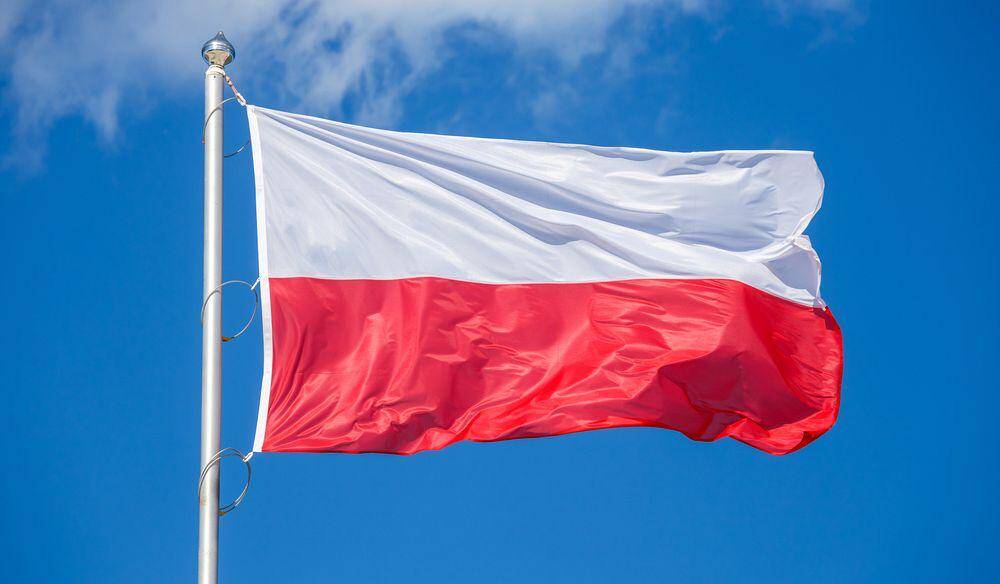
Polish Prime Minister Donald Tusk accused a cryptocurrency firm of backing political rivals, adding a new layer of tension to an already stalled regulatory process. The comments came during a parliamentary vote aimed at overturning President Karol Nawrocki’s veto of legislation designed to regulate Poland’s crypto market.
According to Tusk, the firm Zondacrypto provided financial support to politicians and maintained links to Russian entities. The remarks introduce geopolitical concerns into what had previously been framed as a regulatory disagreement over market structure and compliance.
The vote follows earlier attempts by lawmakers to override the presidential veto, which have so far failed, leaving Poland without a finalized framework for crypto oversight.
What Are the Allegations Against Zondacrypto?
Tusk claimed that the company’s financial backing extended beyond domestic politics, alleging connections to organized crime and state-linked actors in Russia. “The source of this company’s financial success is not only Russian money linked to the so-called Bratva, one of the most important mafia groups in Russia, but also to Russian secret services,” he said.
The prime minister also pointed to Zondacrypto’s involvement in a Conservative Political Action Conference (CPAC) event held in Poland, where former U.S. Homeland Security Secretary Kristi Noem expressed support for Nawrocki’s presidential campaign.
The allegations have not been independently verified in the parliamentary context, but they shift the debate from technical regulatory design toward questions of influence and funding within the crypto sector.
Investor Takeaway
Why Has Poland Struggled to Finalize Crypto Regulation?
The core legislative dispute centers on the government’s attempt to align Poland with the European Union’s Markets in Crypto-Assets (MiCA) framework. The proposed law was intended to bring local rules in line with EU standards on licensing, transparency, and investor protection.
President Nawrocki vetoed the bill, citing concerns over the structure of the regulatory model rather than opposing crypto oversight entirely. His office stated that he “was not opposed to the need to regulate the crypto-assets market but just to the ‘flawed regulatory model’ proposed by the government.”
Efforts to override the veto have fallen short, leaving Poland in a transitional state where regulatory clarity remains limited compared to other EU jurisdictions preparing for MiCA implementation.
Investor Takeaway
What Are the Broader Implications for the Crypto Market?
The intersection of political conflict and crypto regulation highlights the challenges facing digital asset policy in Europe. While MiCA provides a unified framework at the EU level, national-level implementation can still be influenced by domestic political dynamics.
The controversy may also increase scrutiny of funding sources and affiliations within the crypto industry, particularly in politically sensitive environments. As regulators and governments respond, firms operating in the region may face heightened due diligence requirements and reputational considerations.


