

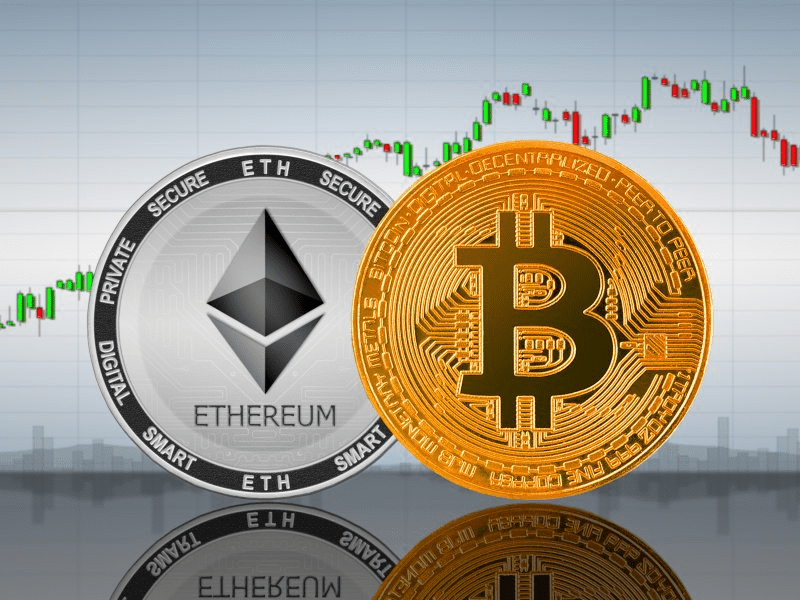
Ethereum (ETH) has established itself as an indispensable asset in the cryptocurrency world, second only to Bitcoin in terms of market capitalization. Born from the vision of Vitalik Buterin and other co-founders in 2015, Ethereum introduced the concept of a blockchain platform capable of executing smart contracts—self-executing contracts with the terms of the agreement directly written into code. This groundbreaking technology has paved the way for decentralized applications (dApps) and has set the stage for a new era of decentralized finance (DeFi).
The price of ETH reflects not just the current demand for Ethereum as a cryptocurrency but also the broader interest in its platform’s potential to redefine interactions in the digital world. From facilitating transactions in the DeFi ecosystem to the creation and exchange of non-fungible tokens (NFTs), Ethereum’s utility extends far beyond that of a traditional currency.
Several key factors influence the price dynamics of ETH. Market sentiment, technological advancements within the Ethereum ecosystem, network upgrades, and the overall health of the cryptocurrency market all play crucial roles. The transition to Ethereum 2.0, which aims to improve the network’s scalability and security through a shift from proof-of-work (PoW) to proof-of-stake (PoS), is particularly noteworthy. This upgrade is anticipated to address some of the scalability issues and high transaction fees that have previously hampered the network, potentially leading to a more robust and efficient blockchain.
Investor interest in ETH is driven by its intrinsic value as the fuel for operating the Ethereum platform. Smart contracts and dApps require the use of ETH for transaction fees, creating a demand that is directly tied to the network’s activity level. As the DeFi sector continues to grow and evolve, the demand for ETH is expected to increase, potentially influencing its price positively.
However, the cryptocurrency market is known for its volatility, and ETH is no exception. Prices can fluctuate widely based on external factors such as regulatory news, changes in investor sentiment, and movements in the broader financial markets. Investors and enthusiasts alike must stay informed about the latest developments within the Ethereum ecosystem and the crypto market at large to navigate these fluctuations successfully.
Looking ahead, the future of ETH appears promising, with ongoing developments and the continued expansion of the DeFi and NFT sectors. The Ethereum platform’s flexibility and its community’s innovative spirit suggest that ETH will remain a key player in the crypto space, pushing the boundaries of what’s possible with blockchain technology.
In conclusion, ETH stands at the forefront of the digital finance revolution, embodying the promise and potential of blockchain technology. As Ethereum continues to evolve and adapt to the needs of its users, the importance of ETH within the crypto ecosystem is likely to grow, marking it as a vital asset for both investors and developers. Keeping an eye on ETH means watching the future of technology unfold, offering a glimpse into a world where finance and technology merge to create entirely new possibilities.


