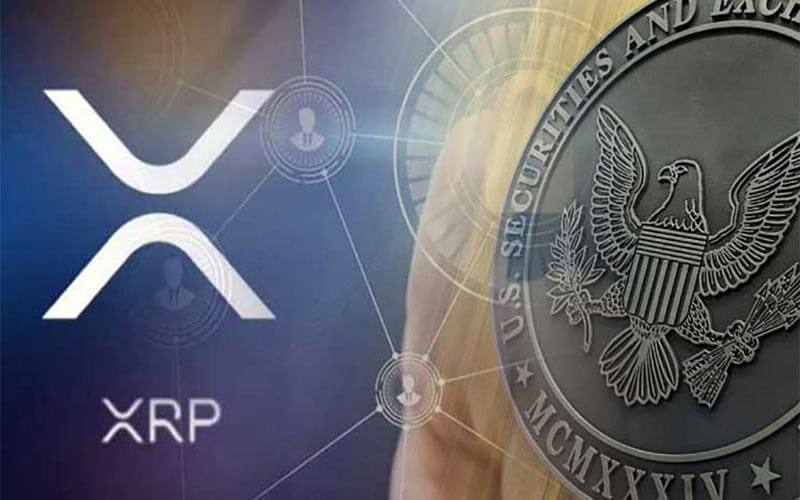
On December 22, 2020, the U. S. Securities and Exchange Commission (SEC) declared Ripple Labs Inc. , the creator of XRP, as a defendant in a lawsuit. The SEC claims that Ripple sold securities without registering them with the commission in what the regulator says was a $1. 3 billion in return for selling XRP tokens. This legal battle is critical to Ripple, XRP investors, and the entire crypto space.
The main claim of the SEC is that XRP should be considered as a security while being sold, and thus it requires registration with the SEC. Ripple on the other hand has argued that XRP is a digital currency like the Bitcoin and Ethereum which the SEC has not categorized as securities. The result of this case may act as a reference to the further regulation of other cryptocurrencies.
The lawsuit’s effect was felt almost immediately on XRP price. After the SEC’s statement, some of the largest cryptocurrency exchanges, Coinbase and Binance, halted trading of XRP. This led to a sharp fall in the price of XRP making investors worry about the future of the coin. This has raised a lot of questions on the legal tender status of XRP and has made it a very risky investment as its fate depends on the court case.
Another strong point that Ripple is using as a defense is the Howey Test which is a framework given by the Supreme Court to distinguish an investment contract, which is a security, from other assets. In the Howey Test, the assets are considered as securities if they meet the following conditions; it is invested with a common enterprise with the expectation of earning a return through the efforts of others. Ripple also pointed out that XRP does not qualify for these three characteristics and should not be considered as a security.
The case of the SEC against Ripple also sheds light on the general legal issues that have surrounded the Cryptocurrency market. The current legal framework for digital assets is developed and can be contradictory, which creates risks for businesses and investors. The current uncertainty of the XRP case could eventually lead to the lawmakers and regulators putting clear guidelines in place which could help support the cryptocurrency industry with direction.
The Ripple SEC case also affects other digital assets apart from XRP. Should the court rule in favour of the SEC, there could be a rise in scrutiny of other cryptocurrencies and their issuers by the SEC. This could lead to the enhancement of rules and may even slow down development in the crypto space. On the other hand if the case is in favor of Ripple it shall support the view that the cryptocurrencies should be considered as the digital assets not securities which is beneficial for the regulations.
For investors, the legal process is an unpredictable factor that becomes an essential part of the investment process. Investors should always be aware of the current events in the case and the possible risks that may occur. The effects that the lawsuit may have on the price of XRP and its use are quite considerable thus underlining the need to obtain proper guidance on the legal framework of virtual currencies.
In conclusion, the SEC vs. XRP case is one of the most significant legal disputes in the Ripple vs. SEC case which affects Ripple, the investors in XRP, and the cryptocurrency market. The lawsuit brings to the fore the importance of proper and coherent rules on digital assets. In the course of the case, its result will probably set the tone for the further regulation of cryptocurrency and affect the approach used by other regulators globally.